In today’s fast-paced world, ensuring the safety and security of our homes and loved ones has become a top priority for many. Indoor security cameras, once a luxury, are now an accessible tool providing peace of mind. But with so many options available, including the specialized “nanny cam,” how do you decide which device best fits your needs? This comprehensive guide will dissect the distinctions between traditional indoor security cameras and nanny cams, exploring their features, legal implications, and practical applications to help you make the most informed decision, just like a trusted friend advising you.
Understanding Indoor Security Cameras
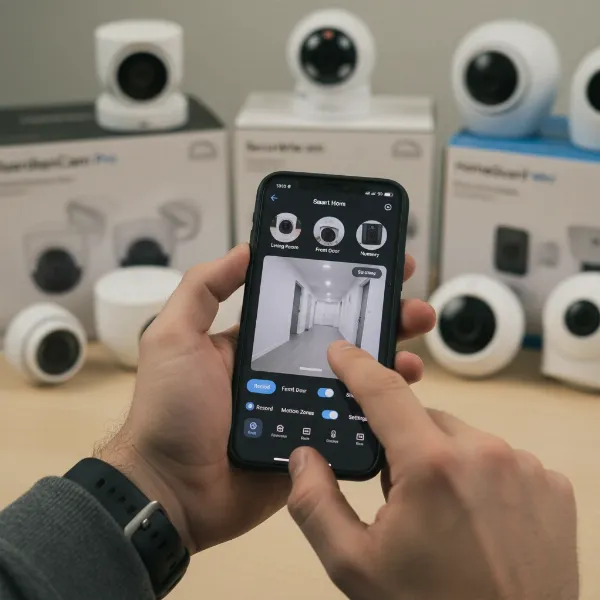
At its core, an indoor security camera is a surveillance device designed to monitor the interior of your property. Its primary purpose is broad security: deterring intruders, monitoring pets, checking in on elderly family members, or simply keeping an eye on your home while you’re away. These cameras are typically visible, acting as clear deterrents and providing comprehensive monitoring of common areas.
Modern indoor security cameras boast an impressive array of features tailored for robust home surveillance. High-definition video, often 1080p or 2K, is standard, ensuring clear footage. Many include wide-angle lenses, pan-and-tilt capabilities for a 360-degree view, and advanced night vision to capture activity in low-light conditions. Crucially, they usually come equipped with motion and sound detection, sending alerts directly to your smartphone, and often integrate seamlessly with smart home ecosystems like Google Home or Amazon Alexa. Storage options commonly include local microSD card support and cloud subscription services.
[image-1|visible-indoor-security-camera-home-setting|A visible, modern indoor security camera positioned on a shelf in a living room, actively monitoring the space.|
A contemporary, sleek indoor security camera, clearly visible, placed on a wooden shelf in a bright, inviting living room. The camera lens is subtly facing the room, indicating active surveillance. The style is realistic, with natural light.]
Demystifying Nanny Cams
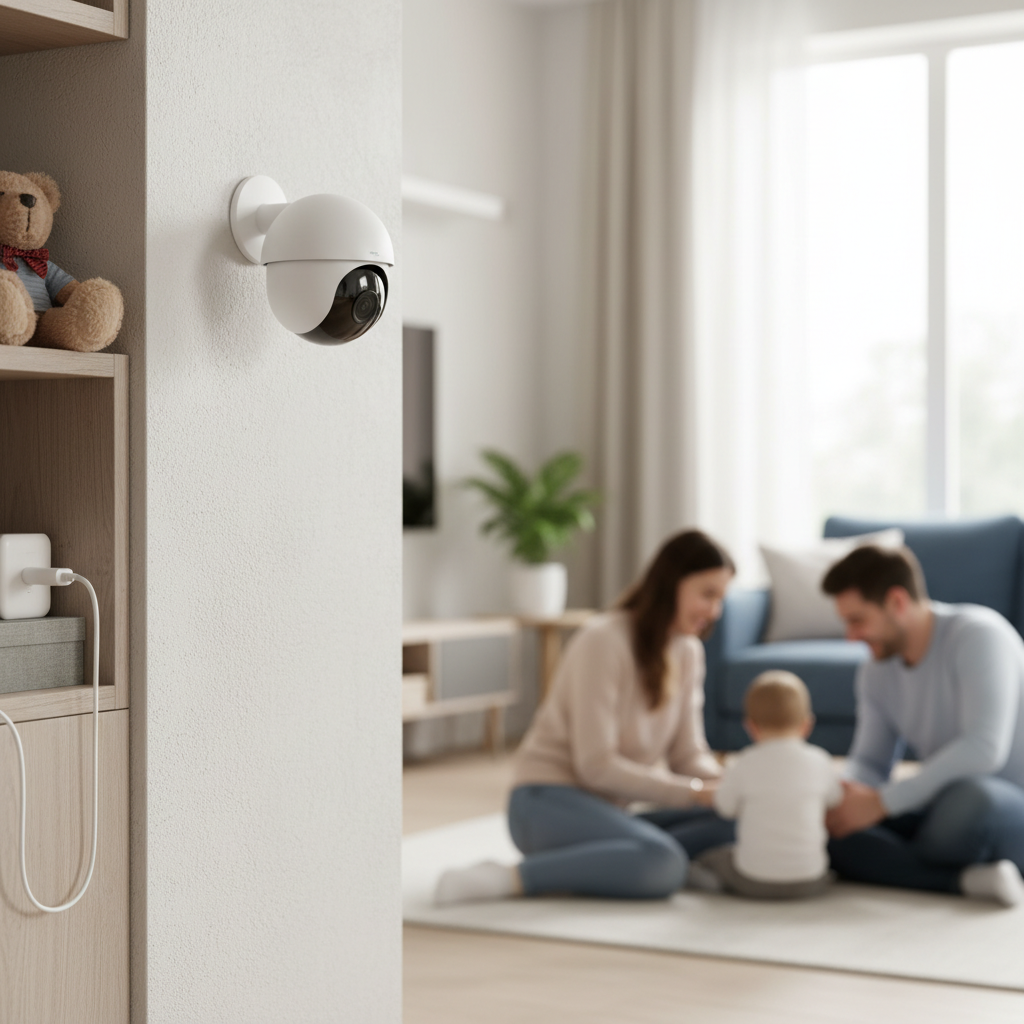
A nanny cam, often referred to as a hidden camera or spy camera, serves a more specific purpose: discreetly monitoring caregivers, children, or other household staff. While functionally similar to an indoor security camera in its ability to record video and often audio, its defining characteristic is its design. Nanny cams are typically disguised as everyday objects to blend seamlessly into the environment, allowing for covert surveillance.
Common forms of nanny cams include devices hidden within alarm clocks, teddy bears, smoke detectors, picture frames, or even USB chargers. This discreet design is intended to allow parents or guardians to observe interactions and ensure the safety and well-being of those under their care without the subject’s immediate knowledge. While the intention is often to provide peace of mind, the covert nature of nanny cams introduces unique legal and ethical considerations, especially concerning privacy and consent, which are paramount to understand before deployment.
Key Differences: Indoor Security Cameras vs. Nanny Cams
While both categories of devices monitor indoor spaces, their fundamental design philosophies and intended uses create distinct differences that users should consider.
Design and Visibility
|
Our Picks for the Best Indoor security camera in 2026
As an Amazon Associate I earn from qualifying purchases.
|
||
| Num | Product | Action |
|---|---|---|
| 1 | Blink Mini 2K+ (newest model) – Plug-in Home & Pet Indoor Security Camera with 2K video resolution, night vision, enhanced audio, motion detection – 2 cameras (Black) |

|
| 2 | Tapo 1080P Indoor Wired Security Camera - Works as a Baby & Pet Monitor, Motion Detection, 2-Way Audio, Siren, Night Vision, Subscription-Free Local or Optional Cloud, Works with Alexa, C100(4-Pack) |
|
| 3 | Blink Mini - Compact indoor plug-in smart security camera, 1080p HD video, night vision, motion detection, two-way audio, easy set up, Works with Alexa – 1 camera (White) |
|
| 4 | Tapo 2K Indoor Pan/Tilt Wired Security Camera - Works as a Baby Monitor & Pet Camera, Motion Detection, 2-Way Audio, Siren, Night Vision, No-Subscription Local Storage or Optional Cloud, C211 (2-Pack) |
|
| 5 | Ring Indoor Cam Plus (newest model), Home or business security, Retinal 2K for crisp, true-to-life video quality, 4x Enhanced Zoom, Low-Light Sight, White |
|
| 6 | Ring Indoor Cam, Home or business security in 1080p HD video, White |
|
| 7 | Cinnado Security Camera Indoor-2K 360° WiFi Cameras for Home Security,Pet/Dog/Baby Camera with Phone app, 2-Way Audio, Night Vision, 24/7 SD Card Storage, Works with Alexa & Google Home (2.4Ghz)-D1 |
|
| 8 | GNCC 2K Security Cameras 4pcs, Home Security Camera Indoor with 360° Motion Detection for Pets/Baby/Dog, Two-Way Audio, Night Vision, 24/7 SD Card Storage, Cloud Storage, Compatible with Alexa |
|
| 9 | TP-Link Tapo 1080P Indoor Security Camera for Baby Monitor, Dog Camera w/Motion Detection, 2-Way Audio Siren, Night Vision, Cloud & SD Card Storage, Works w/Alexa & Google Home (Tapo C100) |
|
| 10 | AOQEE 2K Cameras for Home Security-Outdoor/Indoor Camera for Dog/Cat/Pet/Nanny/Baby/Elderly, Color Night Vision, White Light, Siren, 24/7 SD Recordings, Works with Alexa, Plug in (C1-White-2pack-2.4G) |
|
The most apparent difference lies in their appearance. Indoor security cameras are generally overt, designed to be seen. Their visible presence often acts as a deterrent against unwelcome activities. In contrast, nanny cams prioritize stealth. They are specifically crafted to be inconspicuous, blending into the background as common household items. This covert design is central to their function, allowing for monitoring without altering the behavior of the individuals being observed.
Primary Purpose and Functionality
Indoor security cameras are general-purpose surveillance tools focused on comprehensive home security. They aim to protect property, identify intruders, and provide a broad overview of household activities. Their features are geared towards maximizing coverage and security. Nanny cams, however, are typically deployed for a singular, more focused purpose: observing caregivers or monitoring children’s interactions. Their functionality often emphasizes discreet recording of specific areas where caregiving takes place, with less emphasis on broad security features like floodlights or sirens common in more robust security camera systems.
Feature Set (General vs. Specific Needs)
While there’s significant overlap in core features like HD video and motion detection, general indoor security cameras often offer a wider range of advanced functionalities. These can include advanced AI-powered alerts (differentiating between people, pets, and packages), pan-and-tilt with auto-tracking, robust smart home integration, and more flexible storage solutions. Nanny cams, especially highly disguised ones, might have a more limited feature set, focusing primarily on recording capability and remote viewing, sometimes sacrificing advanced analytics or extensive control options for their small, hidden form factor.
Legal and Ethical Considerations
This is perhaps the most critical differentiator. The legality of using hidden cameras, particularly with audio recording, varies significantly by location. In the United States, video recording in one’s own home in common areas is generally legal without consent. However, recording in “private areas” like bathrooms or bedrooms, or recording audio without consent, can be illegal depending on state laws. Many states require “two-party consent” for audio recording, meaning all parties involved must be aware and agree to be recorded. “The restrictions regarding audio surveillance are a lot tougher across the country,” states BrickHouse Security, emphasizing the importance of checking local laws. Using a visible indoor security camera, conversely, often carries fewer legal ambiguities, as its presence implies surveillance. Ethically, informing individuals they are being monitored, even with a visible camera, is generally recommended to foster trust.
Important Features for Home Surveillance Cameras
Regardless of whether you opt for a traditional indoor security camera or a nanny cam, several features are crucial for effective home monitoring.
Video Resolution and Image Quality
High-definition (HD) video is non-negotiable. Look for cameras offering at least 1080p resolution, with 2K or even 4K options providing superior detail. Better resolution ensures that faces are recognizable and small details in the footage are clear, which is vital for identification or evidence gathering.
Field of View and Pan-Tilt-Zoom (PTZ)
A wide field of view (FoV), typically 120-160 degrees, can cover a large area. For even greater coverage without multiple cameras, Pan-Tilt-Zoom (PTZ) functionality allows you to remotely adjust the camera’s angle horizontally (pan) and vertically (tilt), and digitally zoom in on specific areas. This is especially useful for monitoring a single large room or tracking moving subjects.
Night Vision Capabilities
Since activity can occur at any time, effective night vision is essential. Most cameras use infrared (IR) LEDs to provide black-and-white footage in complete darkness. Some advanced models offer color night vision through enhanced sensors and ambient light, providing more detail and clarity in low-light conditions.
Motion and Sound Detection
These features are the backbone of reactive surveillance. Cameras detect movement or unusual sounds (like a baby crying or a window breaking) and immediately send alerts to your device. Advanced cameras use AI to differentiate between people, pets, and general motion, reducing false alarms and ensuring you’re only notified about what truly matters.
[image-2|home-security-setup-smart-features|A modern living room with a visible indoor security camera mounted discreetly, showing icons for motion detection, two-way audio, and cloud storage overlaid digitally.|
A contemporary living room setup. A sleek, unobtrusive indoor security camera is mounted on a wall. Digital overlay icons representing motion detection, two-way audio, and cloud storage subtly float around the camera, illustrating its smart features. The lighting is soft and ambient, emphasizing a secure yet comfortable home environment. Realistic style.]
Data Storage Options (Local vs. Cloud)
How your footage is saved is critical.
- Local Storage: Typically via a microSD card slot on the camera, offering cost-effective storage without subscription fees. Footage is stored directly on the device.
- Cloud Storage: Footage is uploaded to secure remote servers. This is often a subscription service but offers the advantage of accessing footage from anywhere and protection against camera tampering or theft. Many services include advanced features like video history and AI analytics.
Two-Way Audio and Smart Integration
Two-way audio allows you to hear what’s happening and speak through the camera via your smartphone, which can be useful for communicating with family members, pets, or even deterring intruders. Integration with smart home platforms like Amazon Alexa or Google Assistant enables voice control, live feed viewing on smart displays, and inclusion in broader home automation routines.
Comparison Table: Indoor Security Camera vs. Nanny Cam (Typical Traits)
| Feature | Indoor Security Camera (Typical) | Nanny Cam (Typical) |
|---|---|---|
| Visibility | Overt, visible, acts as a deterrent | Covert, hidden, designed to be inconspicuous |
| Primary Goal | General home security, property protection | Discreet monitoring of caregivers/children |
| Common Design | Standalone camera unit, often wall-mounted or shelf-placed | Disguised as everyday objects (clocks, toys, chargers) |
| Advanced Features | Often includes AI detection, PTZ, smart home integration | May have limited advanced features, focus on core recording |
| Privacy Implication | Explicit surveillance, potentially less privacy concern if visible | Covert surveillance, higher privacy and legal considerations |
| Audio Recording | Common, but often requires consent based on state laws | Often includes, but highly scrutinized legally |
| Trust Factor | Can build trust through transparency | May erode trust if discovered without consent |
How to Choose the Right Camera for Your Needs
Selecting the ideal indoor camera requires careful consideration of your specific requirements and local regulations.
Assess Your Monitoring Goals
Start by defining what you want to monitor. Are you concerned about general home security, wanting to deter burglars and keep an eye on pets? An overt indoor security camera is likely best. Or is your primary goal to discreetly observe a caregiver interacting with your child, requiring a hidden solution? Your “why” will guide your choice.
Budget and Features
Determine your budget. Basic indoor cameras are quite affordable, while models with advanced features like 2K resolution, AI analytics, or extensive cloud storage come at a higher price point, often with ongoing subscription fees. Prioritize the features most important to your monitoring goals.
Legal Compliance and Ethical Considerations
Before installing any camera, especially a hidden one, thoroughly research your state’s laws regarding video and, critically, audio recording. “Most states agree that such expectation of privacy does not extend to a home that isn’t one’s own home,” notes LegalMatch, but clarifies that audio recording laws are stricter. It’s advisable to seek legal counsel if unsure. Ethically, consider the impact on trust. Transparency, where appropriate, can prevent misunderstandings and legal issues.
“Understanding local laws, especially concerning audio recording, is paramount. What might be legal for video can be a serious breach when it comes to sound.” – Sarah Chen, Legal Expert in Digital Privacy
Brand Reputation and Reviews
Choose reputable brands known for their security, reliability, and customer support. Companies like Wyze, Google Nest, Arlo, Ring, Eufy, and TP-Link consistently receive high ratings for their indoor cameras. Always read recent user reviews to understand real-world performance and potential issues.
Top Picks: Recommended Cameras for Indoor Monitoring
When evaluating indoor security cameras and nanny cams, certain models consistently stand out for their blend of features, reliability, and value. Many versatile indoor cameras can effectively serve both general security and discrete monitoring roles.
Wyze Cam v3: This camera is a perennial favorite for its incredible affordability and robust feature set. It offers 1080p HD video, color night vision, two-way audio, and local microSD storage. Its compact design makes it relatively easy to place discreetly, making it a strong contender for a budget-friendly nanny cam or general indoor security. Users praise its strong performance for its price point.
Google Nest Cam (Indoor, Wired): A premium choice, the Nest Cam provides excellent 1080p video quality, intelligent alerts powered by Google AI (differentiating between people, pets, and familiar faces with a subscription), and seamless integration with the Google Home ecosystem. While clearly visible, its smart features and reliable performance make it a top-tier indoor security option, offering advanced monitoring capabilities.
Eufy Indoor Cam 2K Pan & Tilt (P24): This camera offers exceptional value with 2K resolution, a 360-degree pan-and-tilt view, and excellent local storage options without mandatory subscriptions. Its ability to cover an entire room makes it highly versatile for both general surveillance and detailed monitoring of specific areas. It also includes strong motion and sound detection.
Arlo Essential Indoor Camera (2nd Generation): Known for its premium security systems, Arlo’s indoor camera offers 1080p HD video, a wide field of view, and a built-in privacy shield that physically covers the lens when not in use. This privacy feature is particularly appealing for sensitive areas or when trust is paramount, allowing users to physically block surveillance. Its reliable app and integration with other Arlo devices add to its appeal.
[image-3|nanny-cam-disguised-object-nursery|A small, discreet nanny cam expertly disguised as a teddy bear on a shelf in a child’s nursery, blending in with toys.|
A close-up of a cozy child’s nursery. On a wooden shelf, a small teddy bear sits amongst other toys. The teddy bear subtly contains a hidden camera lens, demonstrating a disguised nanny cam. The scene is warm and inviting, in a realistic, slightly soft-focus photographic style.]
Ring Indoor Cam (2nd Gen) / Pan-Tilt Indoor Cam: Ring offers compact indoor cameras that integrate well with existing Ring ecosystems. The 2nd Gen features a manual privacy shutter, similar to Arlo, providing an extra layer of privacy. The Pan-Tilt version offers expansive coverage, making it suitable for monitoring large play areas or living rooms. These cameras excel in integration with Alexa and other Ring devices, providing quick alerts and easy access.
Conclusion
Choosing between an indoor security camera and a nanny cam ultimately depends on your specific needs, comfort level with visibility, and understanding of legal and ethical boundaries. Indoor security cameras are overt, multipurpose tools for general home protection, emphasizing broad coverage and deterrence. Nanny cams, by design, prioritize discreet monitoring, often for caregivers or children, and require careful consideration of privacy laws, especially regarding audio recording. By thoroughly assessing your monitoring goals, understanding the features available, and adhering to legal and ethical guidelines, you can confidently select the right device to bring you peace of mind and enhance the safety of your home. What aspects of home monitoring are most critical for your family’s unique situation?
Frequently Asked Questions
Is it legal to use a hidden nanny cam in my home?
It is generally legal to record video in common areas of your home without consent in the U.S., but laws vary by state. Audio recording is much stricter, with many states requiring consent from all parties. Always check your specific state’s laws, especially concerning audio and placement in private areas like bathrooms or bedrooms.
Can nanny cams be hacked?
Any internet-connected device, including nanny cams and indoor security cameras, can potentially be hacked. To mitigate risks, choose cameras from reputable brands with strong security features like two-factor authentication and encryption, use strong, unique passwords, and keep firmware updated.
What is the difference between a “nanny cam” and a “baby monitor”?
A baby monitor is typically a visible device designed to help parents hear and see their baby, often with features like temperature sensors and lullabies. A nanny cam, conversely, is usually a hidden camera intended for discreet surveillance of caregivers or children, often with a broader scope than just monitoring a baby’s sleep.
Should I tell my nanny or caregiver that I am using a camera?
While video recording in your home might be legal without consent, many experts and sources recommend transparency to foster trust and open communication with your caregiver. Disclosing the camera’s presence can create a more positive working relationship, though this is ultimately a personal decision.
Are there ethical concerns with using nanny cams?
Yes, ethical concerns primarily revolve around privacy and trust. While parents have a right to ensure their child’s safety, covert surveillance can be seen as an invasion of privacy and may damage the relationship with a caregiver if discovered. Balancing safety with trust is key.